From Pizza Shop to Healthcare Startup
How a father-son team with zero code experience built a medical AI platform after the Founder Institute
Shun & Giovanni Dorsey
Founders, Ajiint Care, Inc (ajiint.care)
Pirin.ai
AI Agent Platform
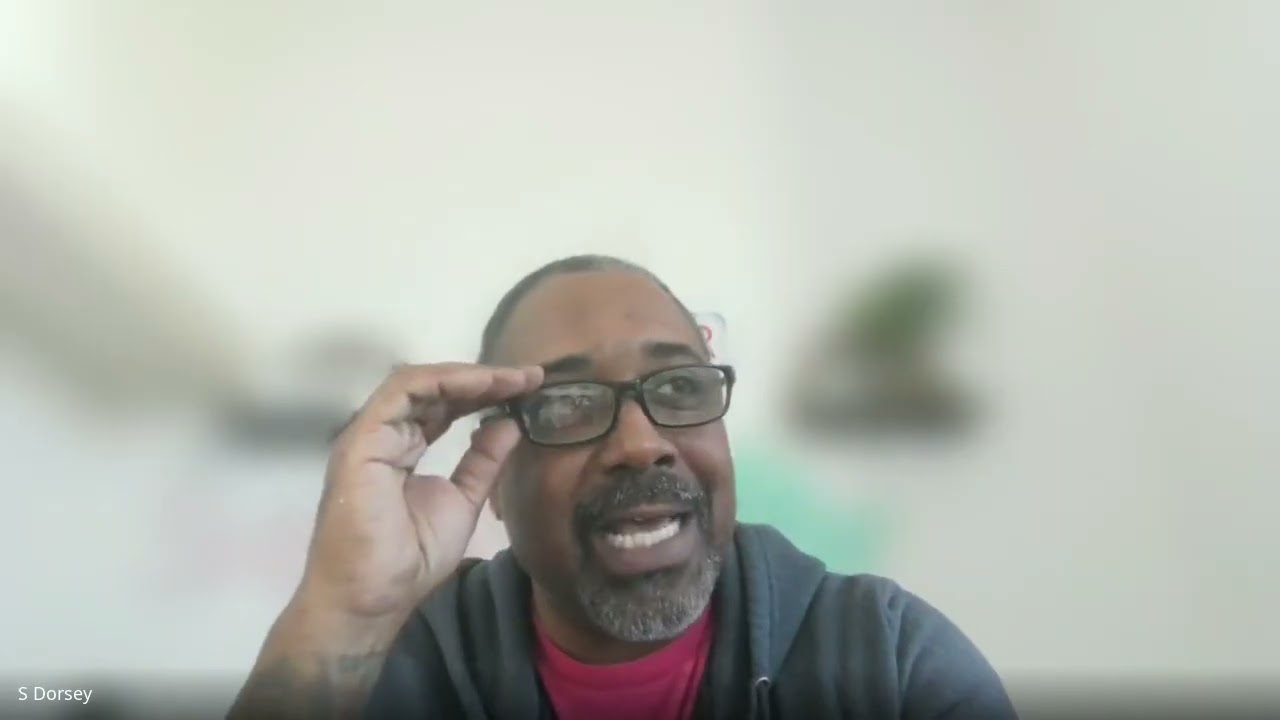
Shun and Giovanni Dorsey present Ajiint Care at the Pirin.ai Show & Tell — April 29, 2026
Every month, Pirin.ai Studio hosts Show & Tell sessions where founders from the Founder Institute network demo what they've built using AI agents. The April 2026 session featured a story that captures everything exciting about this moment in entrepreneurship: a father-son duo with zero coding experience who built a working healthcare platform in one week, for about $50.
The Founders: Shun and Giovanni Dorsey
Shun Dorsey is a career assistive technology professional who had spent a year and significant money on traditional developers — and had nothing to show for it. His son Giovanni ("GG") was in his senior year of high school and working at a pizza spot. Neither knew how to code.
Their idea: Ajiint Care (ajiint.care), a platform that monitors neurological health through passive data collection from mobile games and daily conversations. The inspiration was personal — Shun's co-founder wife (GG's mom) lives with multiple sclerosis, and the family saw firsthand how patients go 6+ months between specialist visits with no monitoring in between. By the time symptoms become visible at a checkup, valuable intervention windows have closed.
"For an entire year we worked with two separate developers and spent a couple thousand dollars monthly — and we had nothing. Then Gigi built a working prototype within a week using Claude, for about $50."
— Shun Dorsey, Co-Founder of Ajiint Care
The Pivot That Changed Everything
The Dorseys originally joined Founder Institute's Silicon Valley 2026 cohort — one of 90+ cities with FI programs worldwide — with a patient-facing app concept. But through the program's mentorship structure — and the reality check of market validation — they discovered the real opportunity was elsewhere.
Instead of a consumer app, they pivoted to clinician-focused tools. The insight: neurologists already struggle with data gaps between appointments. A platform that delivers structured, passive monitoring data directly to clinicians would solve a real, paying problem.
What Ajiint Care Does
Patients play simple mobile games (like Candy Crush-style mechanics) that passively track mood, cognition, fatigue, and motor skills — no active reporting required.
Clinicians get weekly summary reports and daily alerts with trend lines replacing the current manual spreadsheet workflow most practices use today.
Cognitive decline and fatigue signals appear days or weeks before they'd be caught in a standard 6+ month follow-up visit.
Building an MVP in One Week with Claude
After the pivot, GG decided to try building the prototype himself. He had no code experience — just TikTok-level tech literacy and a willingness to treat AI as a collaborator. The results were remarkable:
- Time: One week from zero to working MVP
- Cost: ~$50 in Claude API credits
- Tech stack: Claude-generated code, GitHub for version control
- Prior attempts: A year with traditional developers — $0 results
GG's AI Building Tips for Non-Technical Founders
During the Show & Tell demo, GG shared practical advice that any non-technical founder can use:
Treat AI like a senior developer
Give clear mission prompts. Use "plan mode" to have AI outline the architecture before writing any code. Ask it questions like you would a colleague.
Learn GitHub as your foundation
Version control was the single most important skill. It lets you experiment freely, roll back mistakes, and collaborate with AI without fear of breaking things.
Start with a clear mission, not a tech stack
Know what problem you're solving and for whom. AI figures out the implementation. The hardest part is the product thinking — and that's where Founder Institute mentorship helps.
Clinician Validation and Traction
Ajiint Care isn't just a prototype — it's already gaining real traction in the medical community:
- Validated by neurologists from UCSF and Wake Forest University
- One specialist has already piloted the platform in their practice
- Offered to co-found — a neurologist was impressed enough to offer joining the team as a co-founder
- Clinician dashboards replace manual spreadsheets that most neurology practices currently use for patient tracking
"My mom has MS. She goes to the specialist every 6+ months. Between visits, there's no monitoring. By the time symptoms show at a checkup, you've already lost months of intervention time. We built Ajiint Care to close that gap."
— Giovanni Dorsey, Co-Founder of Ajiint Care
The Founder Institute + Pirin.ai Studio Flywheel
The Dorseys' journey illustrates the model that Pirin.ai Studio and Founder Institute are building together:
- Structured mentorship through Founder Institute helps founders validate their market and make the right strategic pivots
- AI tools (Claude, Pirin.ai) remove the technical implementation barrier, letting founders build working prototypes in days instead of months
- Show & Tell sessions create accountability, feedback loops, and community — founders demo real products to their peers and mentors
- Clinical validation follows naturally when the prototype is real enough to show to domain experts
This cycle works because each component reinforces the others. Founder Institute provides the "what" and "why." AI provides the "how." Pirin.ai Studio provides the community and accountability to keep shipping.
What This Means for Non-Technical Founders
The Dorseys' story is not an outlier — it's a signal. The cost of building a software prototype has collapsed from thousands of dollars a month and a year of development to ~$50 and one week. The limiting factor is no longer technical skill. It's:
- Problem clarity — Do you understand the real need deeply enough?
- Market conviction — Will someone pay for the solution?
- Willingness to learn — Can you treat AI as your engineering team?
- Community accountability — Do you have peers and mentors pushing you forward?
The Old Way vs. The AI Way
Before AI (The Dorseys' Year 1)
- ✕$10k+ spent on developers
- ✕12+ months with no working product
- ✕Misaligned incentives (developers vs. founders)
- ✕No ability to iterate or pivot
After AI (The Dorseys' Week 1)
- ✓~$50 in Claude credits
- ✓7 days to working MVP
- ✓Founder-controlled, iterate freely
- ✓Pivot-friendly, cheap to change direction
Join the Next Show & Tell
Pirin.ai Studio hosts live Show & Tell sessions every month for founders building with AI. Whether you're in the Founder Institute, a Pirin.ai Studio member, or just curious about what's possible, these sessions are where you'll see the future of entrepreneurship unfold.
Watch the full session with Shun and Giovanni Dorsey on YouTube to see the Ajiint Care demo, hear GG's AI workflow in detail, and get inspired for your own journey.
Watch the Full Show & Tell
Shun and Giovanni Dorsey demo their Ajiint Care prototype, share their Founder Institute experience, and GG walks through his AI building workflow for non-technical founders.
Ready to Build?
Install Bootstrap OS and run first hour. Mentoring is assigned through FI, SCORE, and Loyal.
Install Bootstrap OSNot already assigned? Apply for Ground Level if you graduated FI or an equivalent program.